There's a particular kind of quiet joy in having one small spot in your home that's entirely yours — a place where you can sink into a chair, open a book, and let the rest of the day fade away. You don't need a spare room, a big budget, or a Pinterest-perfect library to make this happen. You just need a little intention and a few thoughtful choices.
A cozy reading corner is less about square footage and more about how a space feels. Think warm light, soft textures, and a chair that actually invites you to sit down and stay a while. Below, we'll walk through exactly how to build one, step by step, no matter the size or shape of your home.
Step 1: Find Your "Forgotten" Corner
Every home has one — an underused nook by a window, an awkward gap beside a bookshelf, or even the end of a hallway that gets good natural light. Reading corners don't need to occupy prime real estate; in fact, smaller, quieter spots often make the coziest retreats because they feel enclosed and protected.
Look for Natural Light First
Before anything else, scout your home for spots that get soft, indirect daylight during the hours you're most likely to read. A north- or east-facing window is often ideal, since it offers gentle light without harsh glare. If your best corner doesn't get much natural light, don't worry — we'll cover lighting fixes shortly.
Step 2: Choose a Chair You'll Actually Want to Sit In
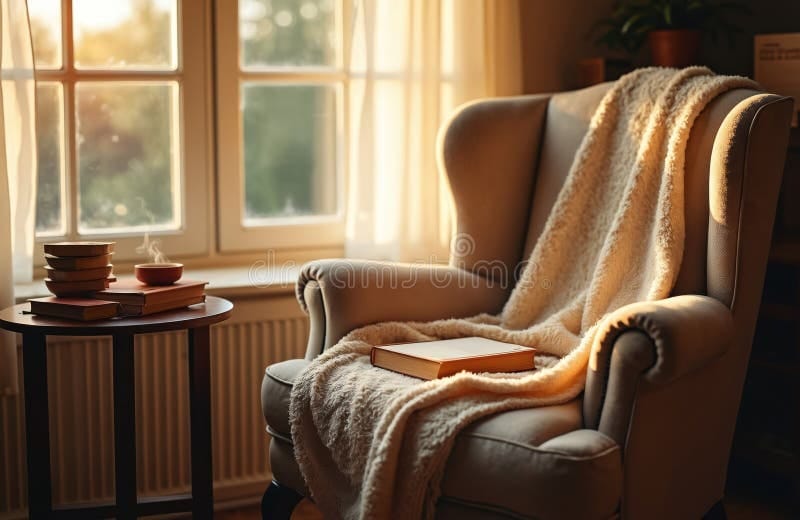
This is the heart of your reading corner, so it's worth taking your time here. You don't need a brand-new statement armchair — a secondhand wingback with good bones, a slipper chair reupholstered in a warm fabric, or even a floor cushion setup can work beautifully. The key is comfort and proportion: the chair should feel a little enveloping, with enough room to tuck your legs up if that's your reading style.
Consider Scale Before Style
In a small room, an oversized armchair can overwhelm the space and make it feel cluttered rather than cozy. Measure your corner first, then look for a chair that leaves at least a foot of breathing room on each side. A slightly smaller chair with great texture will always feel cozier than a huge one that's squeezed in.

Step 3: Layer in Warm, Tactile Textures
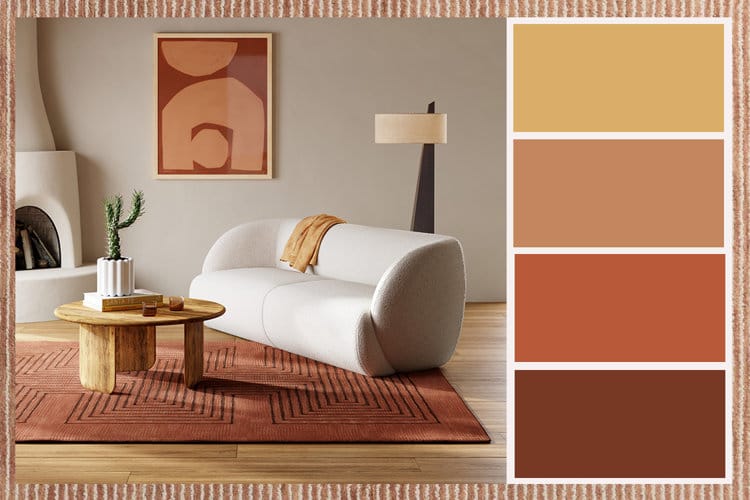
Once your seat is sorted, it's all about the layers. A chunky knit throw draped over the arm, a couple of cushions in complementary warm tones, and maybe a sheepskin or soft rug underfoot will transform even a plain chair into something you want to curl up in. Stick to a cohesive color story — creams, terracottas, and soft sage greens work beautifully together and echo a natural, grounded feel.
Don't Forget What's Underfoot
If your reading corner sits on bare wood or tile, a small area rug makes a surprising difference. It defines the space, softens the acoustics, and gives your feet somewhere warm to land when you kick off your shoes.
Step 4: Get the Lighting Right
Good lighting is what separates a chair in a corner from an actual reading nook. Natural light is wonderful during the day, but you'll want a dedicated light source for evenings. A warm-toned floor lamp with a fabric shade, positioned just behind or beside your shoulder, gives even, glare-free light exactly where you need it. Avoid overhead lighting alone — it tends to feel flat and clinical rather than cozy.
Choose Warm Bulbs
Look for bulbs in the 2700K–3000K range; this soft, amber-toned light mimics candlelight and instantly makes a space feel more relaxed than the cooler, bluer light common in overhead fixtures.
Step 5: Add a Small Surface for Essentials
A little side table, a vintage stool, or even a stack of sturdy books can hold your tea, your current read, and maybe a small candle. Keeping these essentials within arm's reach means you're less likely to get up and break the spell of settling in.
Step 6: Personalize It With Meaning, Not Just Decor
Finally, make the space feel like yours. A small plant, a framed photo, or a shelf with your favorite worn paperbacks does more for the "cozy factor" than any generic decor object. This is your retreat — let it reflect what actually makes you feel calm and at home.
Small-Space Reading Corner Ideas
- Window seat conversion: Add a cushion and a few pillows to a windowsill ledge for an instant nook.
- Closet nook: Remove closet doors and add a small chair for a surprisingly snug reading spot.
- Bedroom corner: Pair a compact armchair with a floor lamp in an unused bedroom corner.
- Hallway alcove: Use a slim bench with a cushion and wall-mounted light for narrow spaces.
Creating a cozy reading corner is one of the simplest, most rewarding ways to make your home feel warmer — and it's a project you can complete in an afternoon with things you may already own. Start with the chair, layer in soft textures, get the lighting right, and you'll have a little sanctuary that's ready whenever you need to slow down.