The kitchen is arguably the most-used room in the entire house, which also makes it the room where disorganization causes the most daily friction. A cluttered drawer you dig through every morning, a pantry where nothing has a fixed home, a counter that collects mail and random objects — these small frustrations add up, quietly draining a bit of calm from every single day.
The good news is that organizing a kitchen doesn't require an expensive renovation or matching containers from a home store. It requires understanding how you actually move through the space, then setting it up to support that flow rather than fight it.
Start With How You Actually Use the Space
Before buying a single organizer, spend a few days simply noticing your kitchen habits. Where do you always end up dropping your keys? Which drawer do you open first when cooking? Which items do you reach for daily versus once a year? This observation phase is the real foundation of an organized kitchen — because a system that ignores your actual habits will always fall apart eventually.
Organize by Zones, Not Just Categories
Rather than organizing purely by object type ("all pots together," "all spices together"), the most functional kitchens are organized by activity zone — items are grouped based on where and when they're used.
The Cooking Zone
Pots, pans, cooking utensils, oils, and frequently used spices should live as close to the stove as possible. If you're reaching across the kitchen every time you cook, that's a sign your cooking zone needs reorganizing.
The Prep Zone
Cutting boards, knives, and mixing bowls belong near your main counter workspace — ideally in a drawer or cabinet directly below or beside where you actually chop and prep ingredients.
The Cleanup Zone
Dish soap, sponges, towels, and trash/recycling should sit near the sink, since that's where cleanup naturally happens. Keeping these items elsewhere just adds unnecessary steps to a daily task.
Declutter the Pantry First
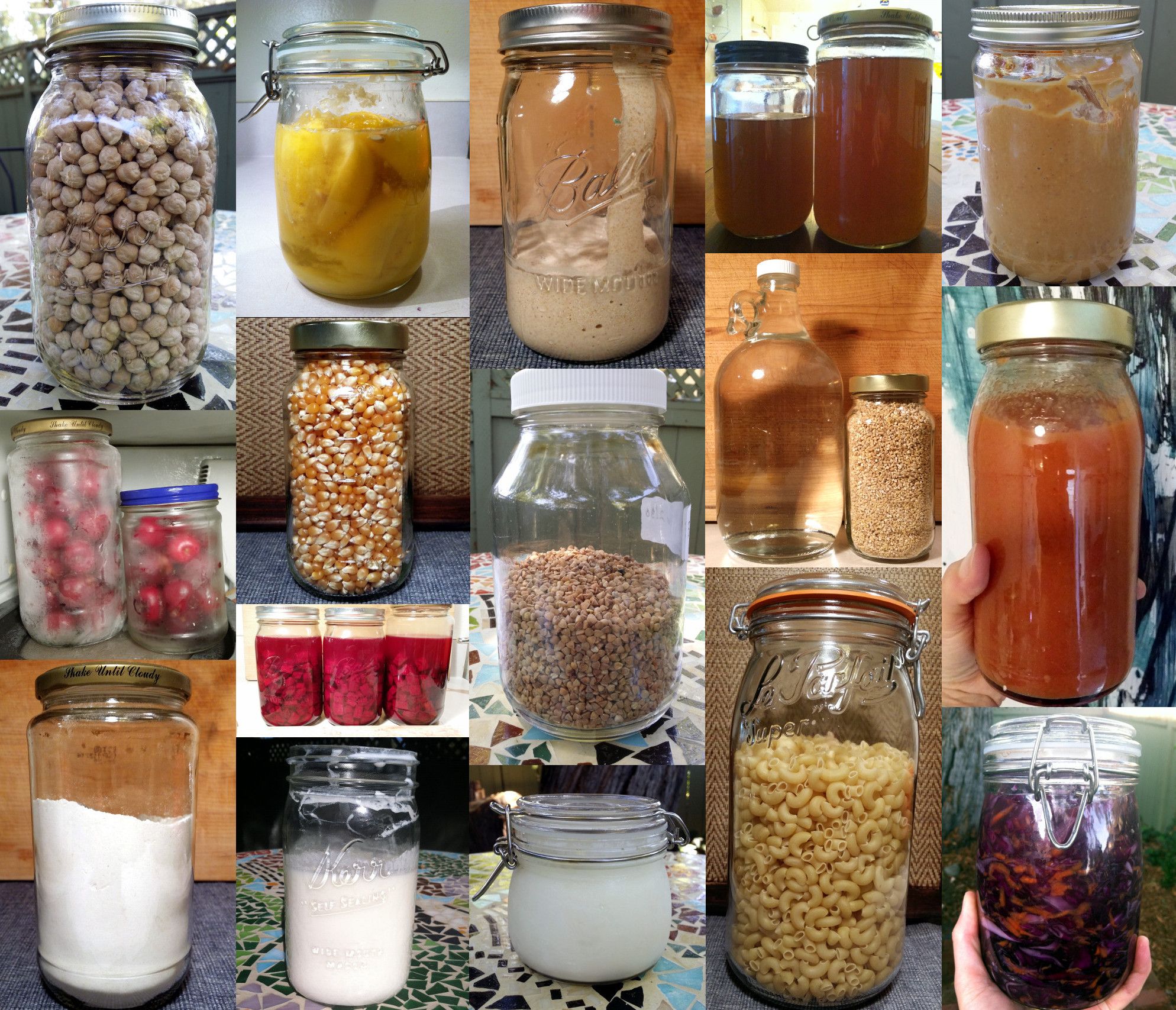
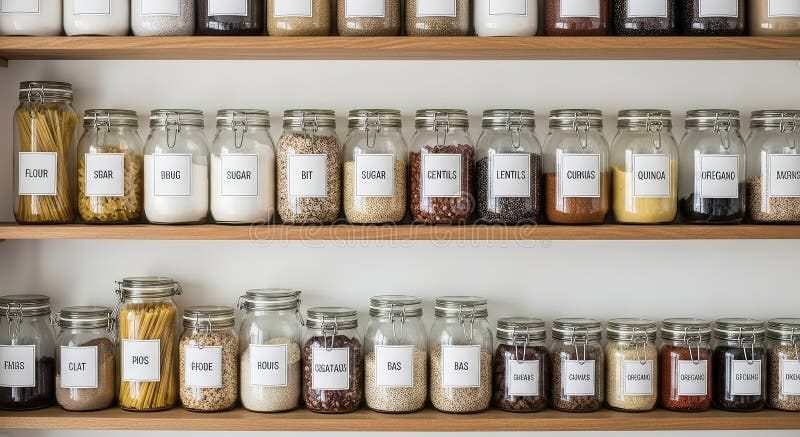
Before organizing your pantry with bins and labels, take everything out and sort it honestly: check expiration dates, consolidate half-used bags into airtight containers, and be honest about ingredients you bought for one recipe and will likely never use again. An organized pantry starts with fewer, more intentional items — not more storage containers.
Group by Frequency of Use
Keep everyday staples (oats, pasta, canned goods you use weekly) at eye level, and put rarely-used items — specialty flours, holiday baking supplies — on higher or lower shelves that require more effort to reach.
Clear the Counters — Really Clear Them
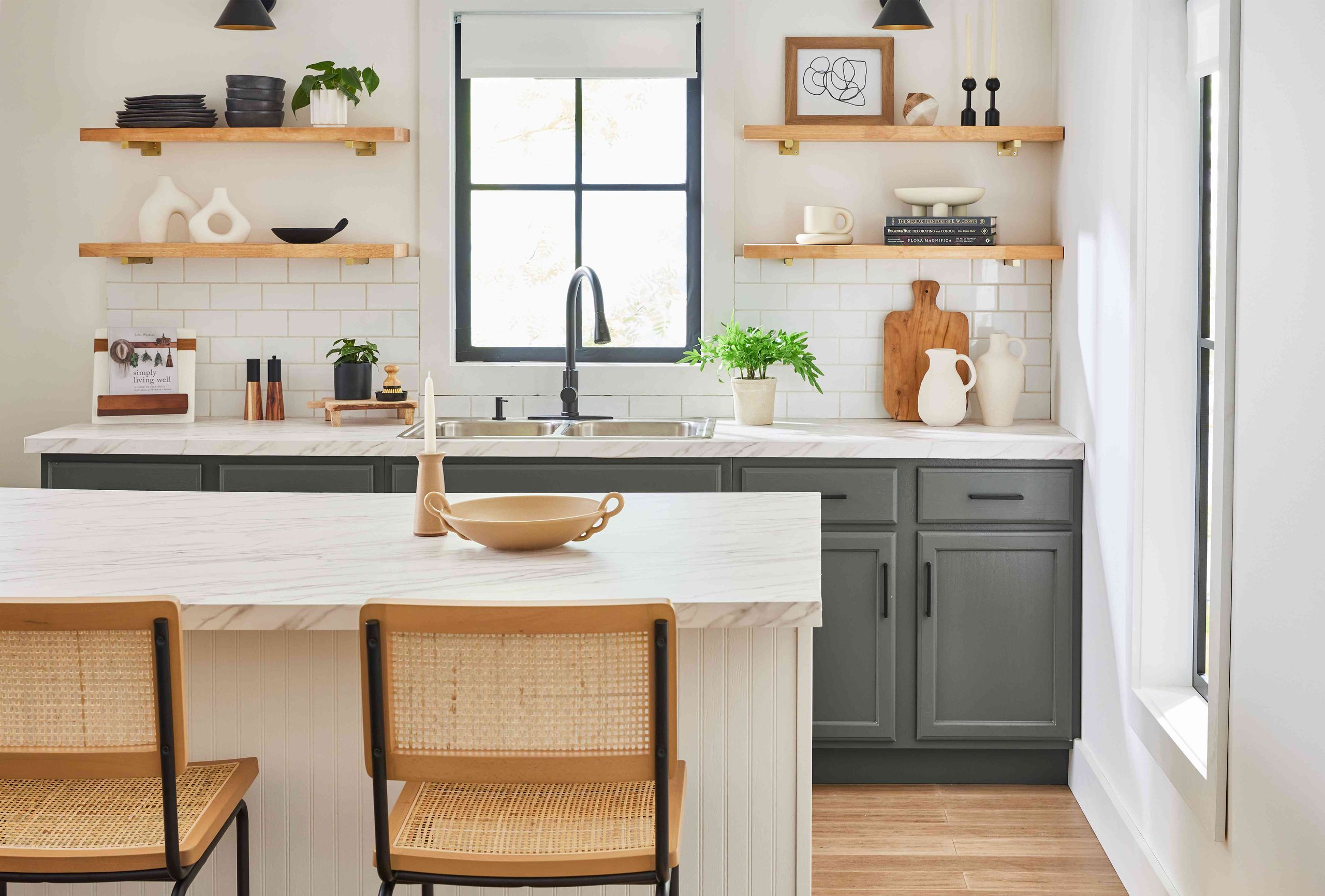
Countertop clutter is one of the biggest contributors to a kitchen feeling chaotic, even when everything inside cabinets is perfectly organized. Aim to keep counters clear except for items you use every single day, like a coffee maker or a knife block. Everything else — even attractive small appliances — should have a home in a cabinet or pantry.
Use Drawer Dividers for Small Chaos
The utensil drawer and the "junk drawer" are usually the first places clutter creeps back in. Simple, inexpensive drawer dividers — even repurposed small boxes — can keep these areas from sliding back into chaos within a week of tidying.
Build a Simple Daily Reset Habit
Even a perfectly organized kitchen needs light daily maintenance. A five-minute end-of-day reset — wiping counters, loading the dishwasher, and putting stray items back in their zone — prevents small messes from snowballing into an overwhelming weekend deep clean.
Kitchen Organization Checklist
- Empty and sort the pantry, checking expiration dates honestly
- Group items into cooking, prep, and cleanup zones
- Clear counters down to daily-use items only
- Add simple drawer dividers to junk and utensil drawers
- Set a 5-minute nightly reset habit
A well-organized kitchen doesn't need to be picture-perfect — it needs to work quietly and efficiently in the background of your daily life. Start with just one zone this week, notice how much smoother that part of your routine feels, and let the momentum carry you to the next area when you're ready.