Living more sustainably doesn't require a dramatic overhaul of your entire home or a closet full of specialty products. In fact, the most lasting eco-friendly habits usually come from small, painless swaps — replacing one disposable item at a time with a reusable alternative until the new habit simply becomes normal.
Below are twelve genuinely easy swaps, organized by room, that lower waste, save money over time, and quietly make your home feel a little more intentional in the process.
Kitchen Swaps
The kitchen tends to generate the most everyday disposable waste, which also makes it the room with the biggest opportunity for change.
- Beeswax wraps instead of plastic wrap: They mold to bowls and food with the warmth of your hands and can be washed and reused for a year or more.
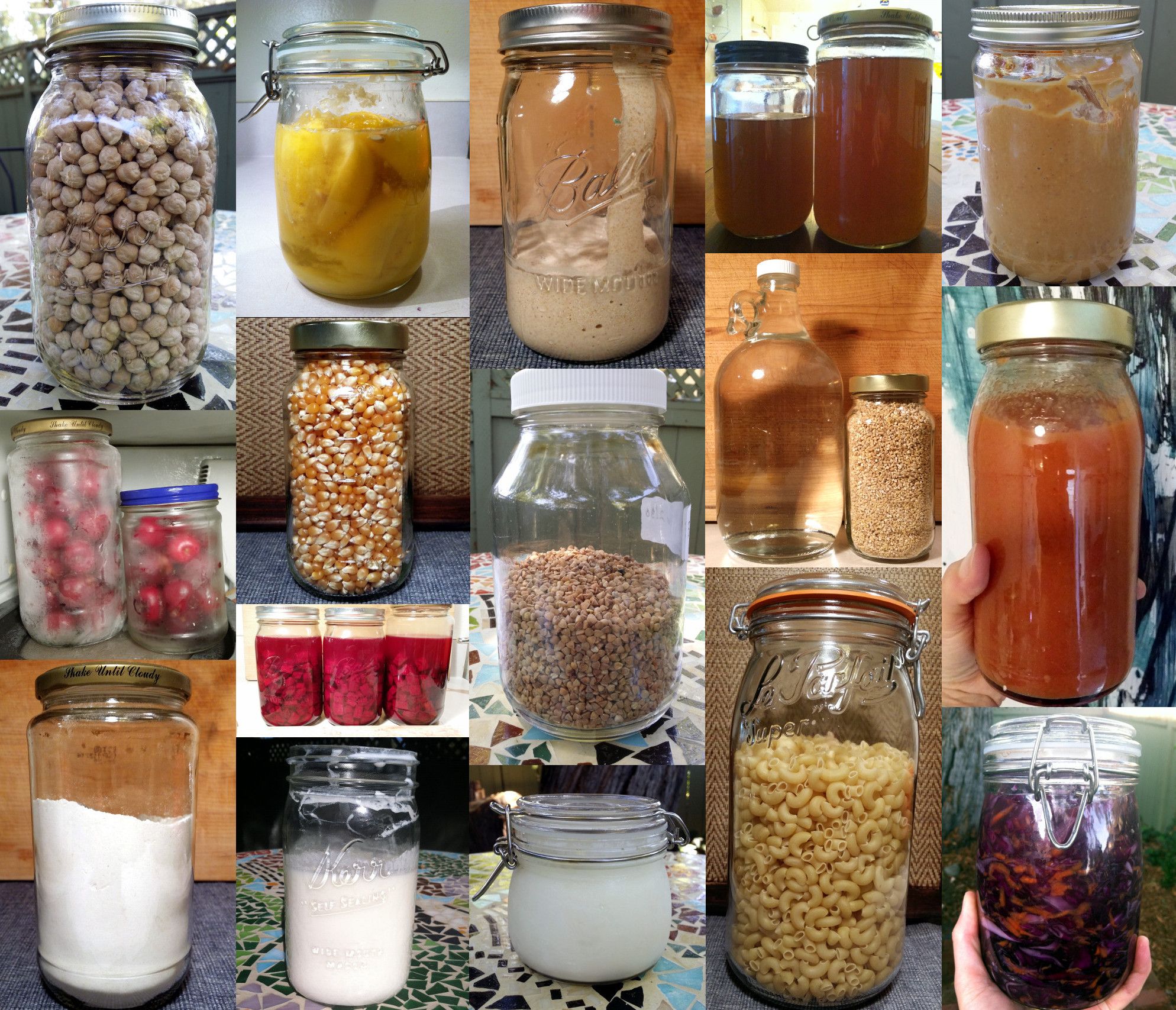
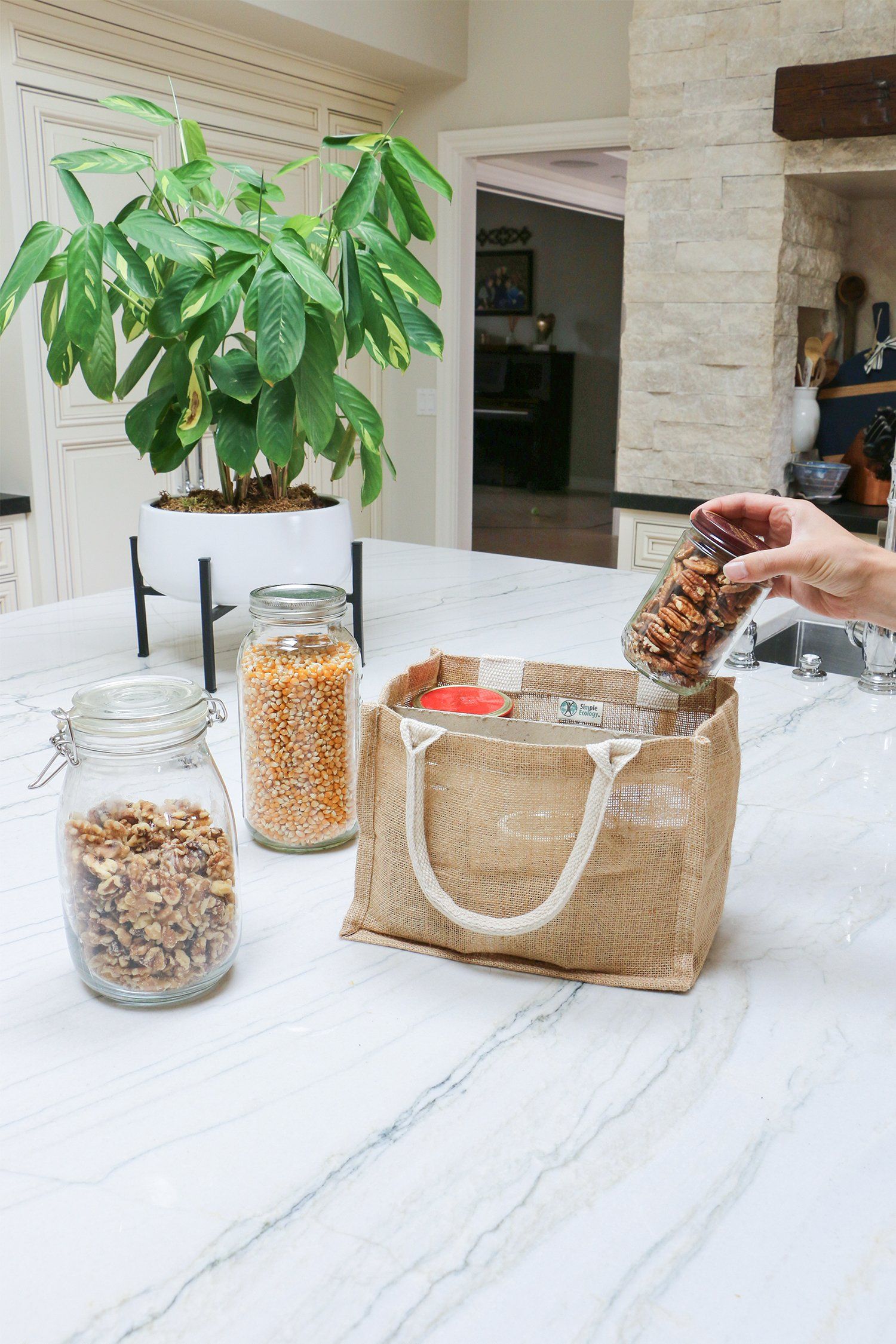
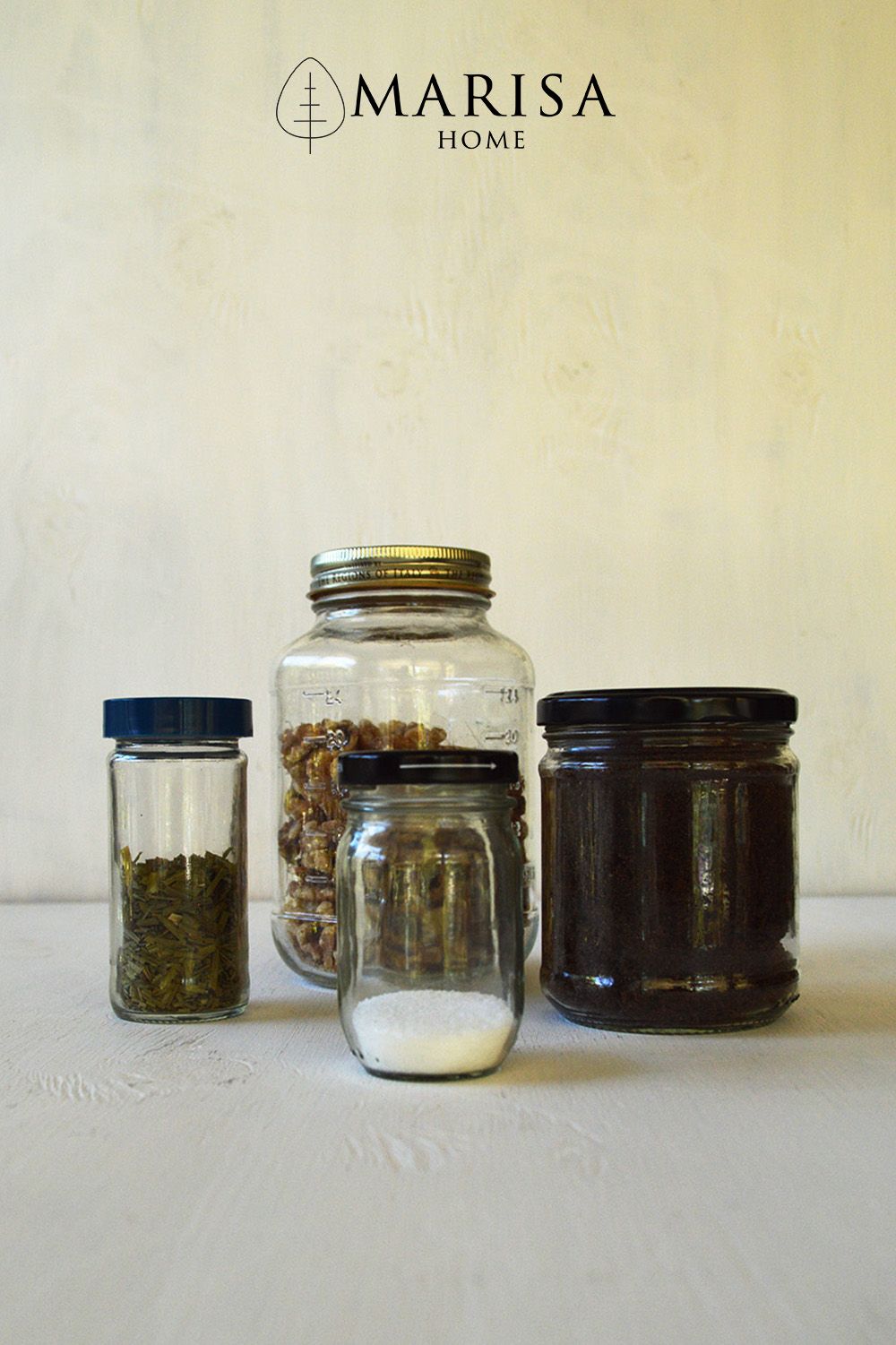
- Glass or stainless steel containers instead of plastic storage: They don't stain, don't absorb odors, and last for decades instead of warping after a few dishwasher cycles.
- Cloth napkins instead of paper towels: Keep a small stack in a kitchen drawer — they handle spills just as well and simply go in the laundry.
- A reusable water filter pitcher instead of bottled water: One pitcher replaces hundreds of single-use plastic bottles a year.
Start With Whatever You're Already Replacing
You don't need to throw away plastic containers that still work just to switch immediately — the most sustainable approach is simply choosing the reusable option the next time something needs replacing anyway.
Bathroom Swaps
- Bar shampoo and conditioner instead of bottled versions: They last longer, take up less space, and eliminate plastic bottles entirely.
- A bamboo toothbrush instead of plastic: The handle is compostable, and the difference in daily use is unnoticeable.
- Reusable cotton rounds instead of disposable cotton pads: A small washable stack easily replaces an entire year of single-use pads.
Cleaning Swaps
- Washable microfiber cloths instead of paper towels: They clean glass and counters more effectively and can be laundered hundreds of times.
- Concentrated or refillable cleaning products: Many brands now offer refill pouches that dramatically cut down on plastic bottle waste.
- Simple vinegar-and-water solutions for everyday cleaning: Cheap, effective for most surfaces, and free of unnecessary packaging or harsh chemicals.
Living Room & Everyday Swaps
- Reusable shopping and produce bags: Keep a few folded in your bag or car so they're actually with you when you need them.
- Rechargeable batteries instead of disposables: A small upfront cost that pays for itself many times over for remotes, toys, and small electronics.
How to Make the Swaps Actually Stick
The most common reason eco-friendly swaps fail isn't lack of good intentions — it's trying to change everything at once and burning out within a month. Instead, pick two or three swaps from this list that feel the easiest for your specific routine, and let those become fully automatic before adding more.
Over a year, these small, unglamorous changes add up to a noticeably lighter environmental footprint — and often a lighter grocery and household budget too, since many reusable products pay for themselves many times over. None of it requires perfection; it simply requires starting with whatever feels most doable today.