The kitchen is often where plastic quietly accumulates faster than anywhere else in the home — takeout containers, produce bags, cling wrap, yogurt tubs, and squeeze bottles pile up week after week, most of it destined for a landfill after a single use. Reducing this waste doesn't mean giving up convenience; it means being a little more intentional about which convenience you're choosing.
Here's a realistic, room-by-habit breakdown of how to meaningfully cut plastic waste in your kitchen, starting with the changes that make the biggest difference for the least effort.
Rethink How You Grocery Shop
A large share of kitchen plastic actually enters your home during grocery shopping, before you've even started cooking. Small shifts here prevent waste before it begins.
Bring Your Own Bags — All of Them
Beyond reusable shopping totes, keep a few mesh or cloth produce bags on hand for fruits and vegetables instead of the thin plastic bags at the checkout. Keeping them in your car or by the door means they're actually there when you need them.
Choose Loose Over Packaged When Possible
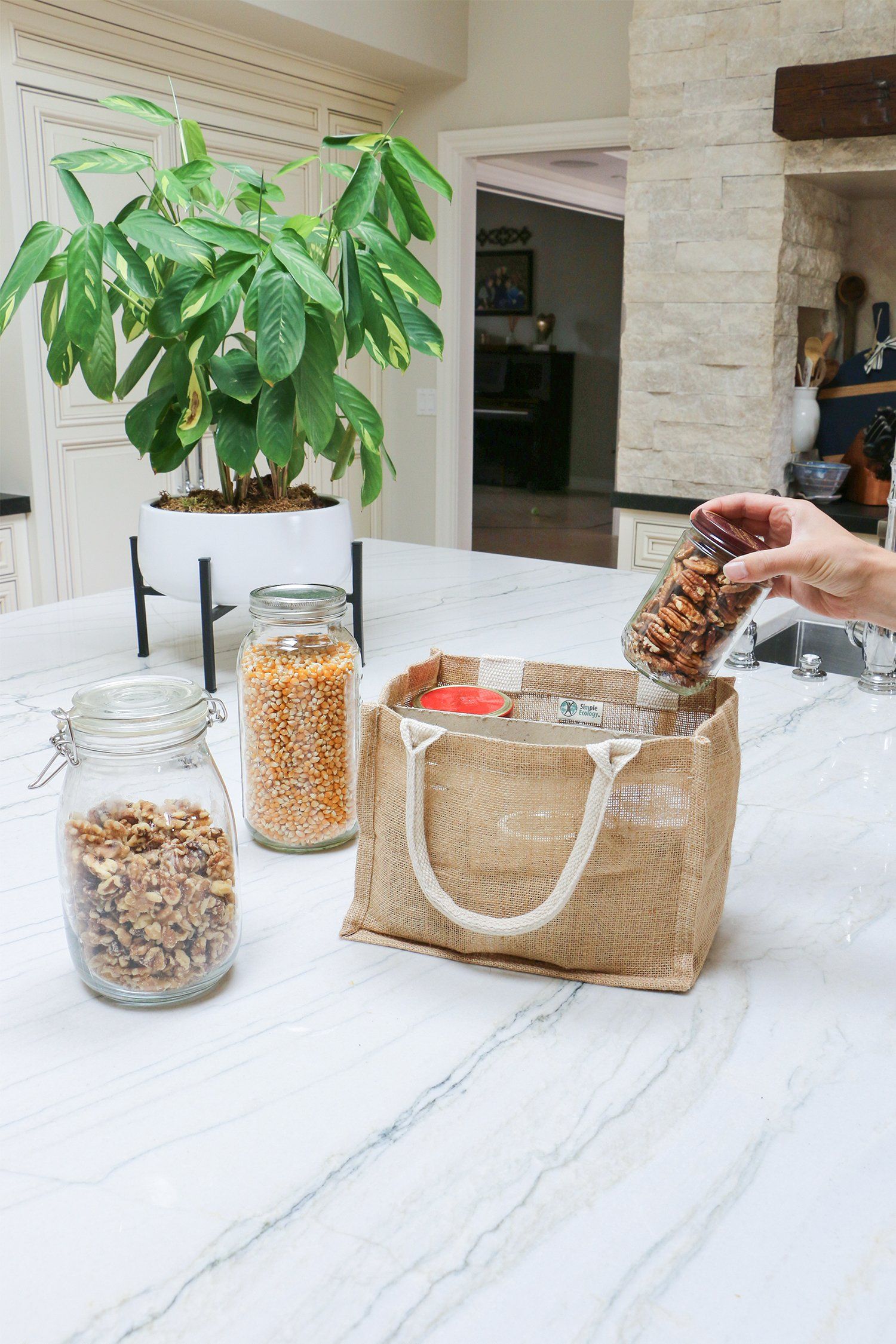
Buying loose produce instead of pre-packaged trays, and visiting bulk bins for grains, nuts, and pasta when available, cuts out a surprising amount of plastic packaging before it ever reaches your kitchen.
Rethink Food Storage
Once groceries are home, storage is the next major source of plastic — and also the easiest area to fix permanently with a one-time investment.
- Glass containers with lids: They store leftovers, go straight into the microwave or oven, and never stain or absorb smells the way plastic can.
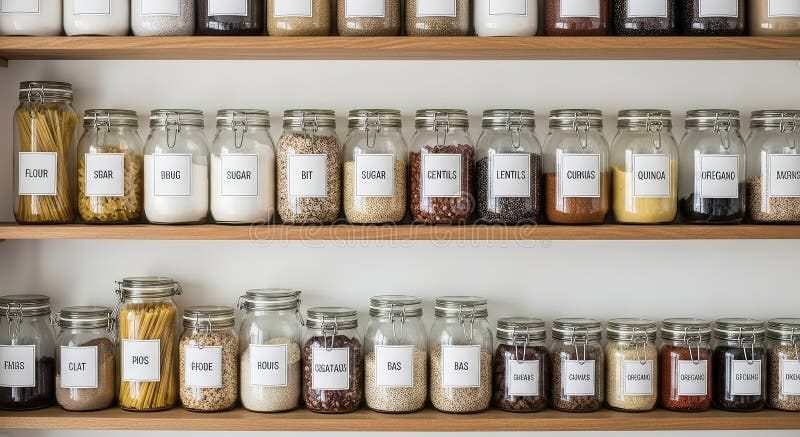
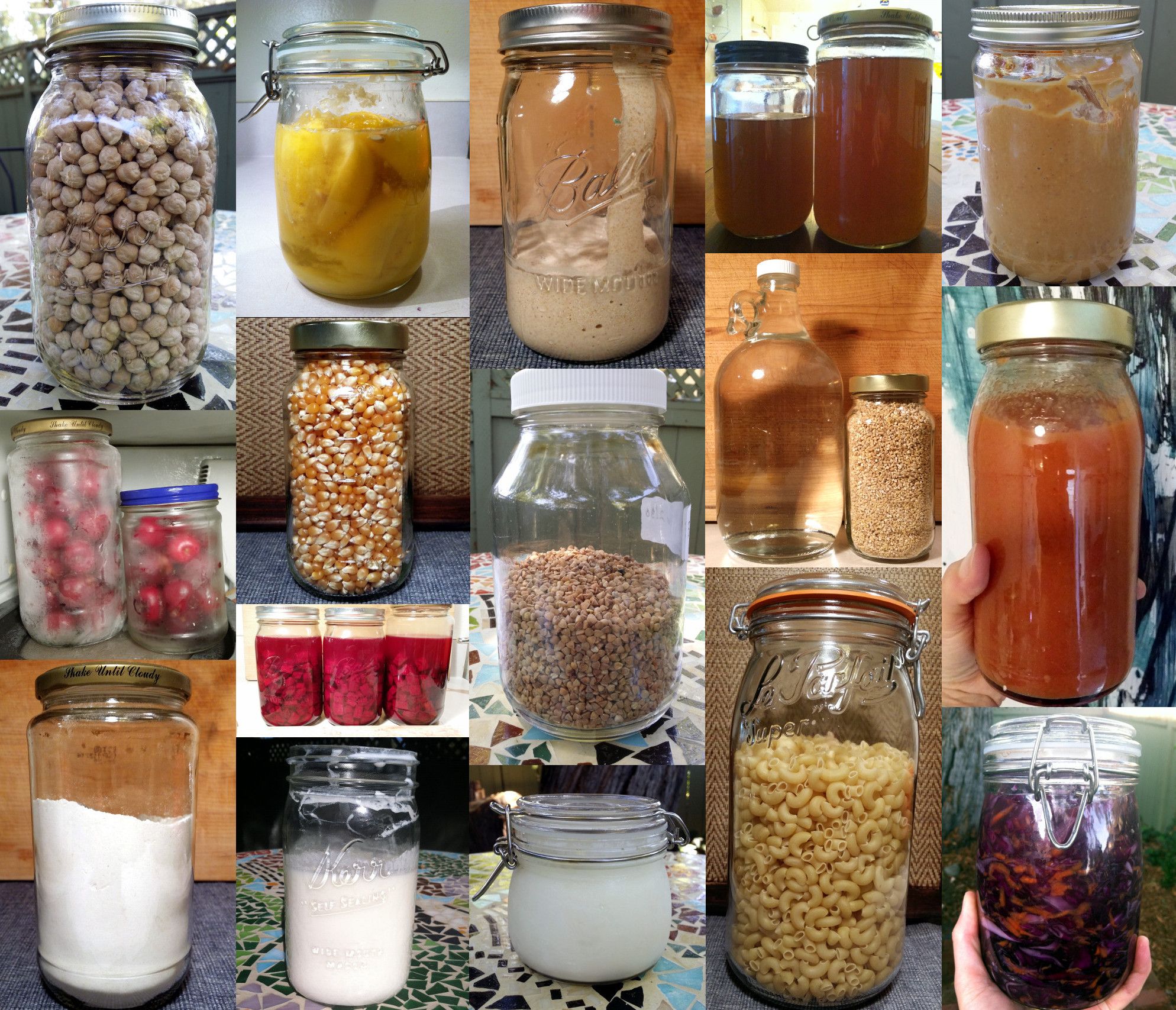
- Mason jars for dry goods: Perfect for pantry staples like rice, oats, and pasta, and they let you see at a glance when something is running low.
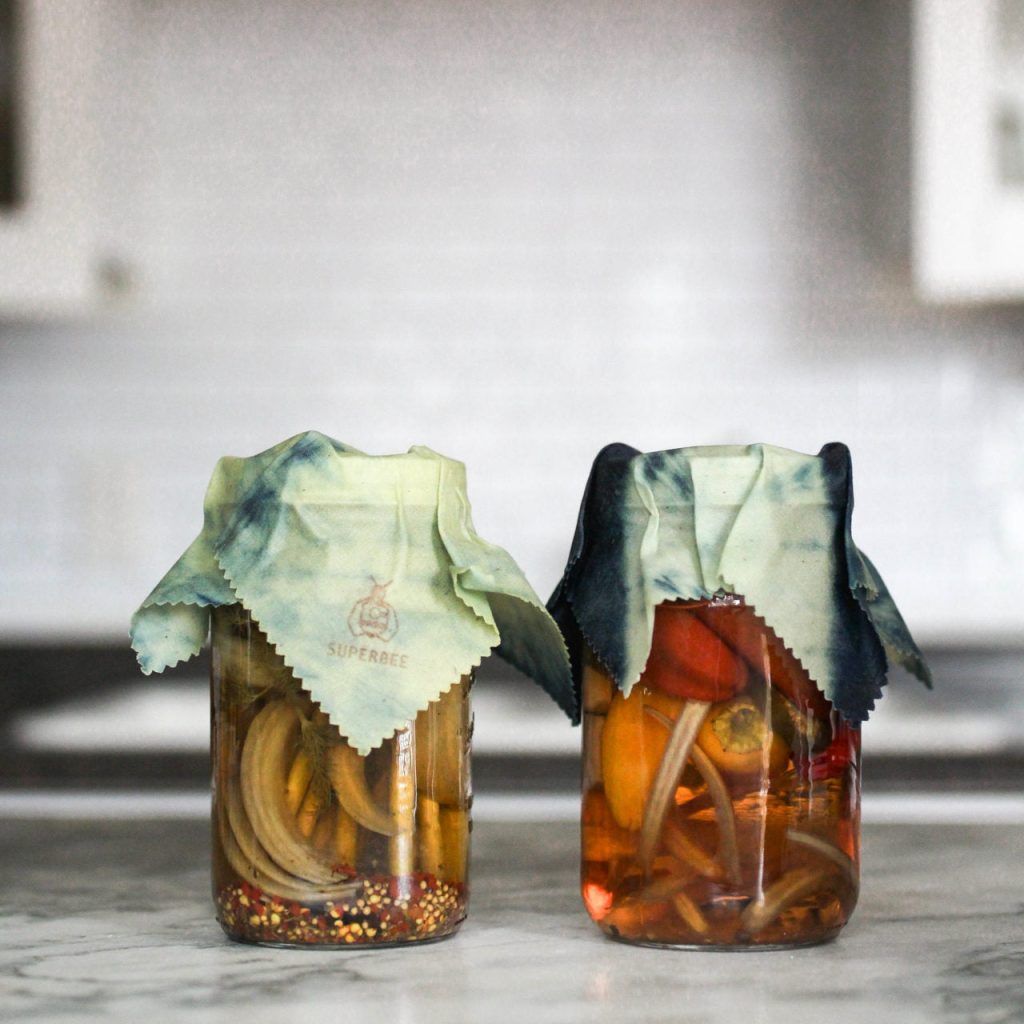
- Beeswax wraps or silicone lids: A simple, reusable alternative to plastic cling film for covering bowls and wrapping half-used produce.
Rethink Everyday Cooking Habits
Beyond storage, a handful of daily habits quietly generate a lot of avoidable plastic waste.
- Skip single-serve packaging: Individually wrapped snacks and portioned cups create far more waste per gram of food than buying in bulk and portioning yourself.
- Use a reusable water bottle at home too: Filter a pitcher of water instead of buying cases of bottled water for everyday drinking.
- Say no to plastic cutlery and straws with takeout: Keep a few reusable options in a bag or at your desk so you're not relying on disposables by default.
Deal With Plastic You Already Have Responsibly
Reducing future plastic doesn't mean discarding everything you currently own — that itself creates unnecessary waste. Use existing plastic containers until they wear out, then replace them with reusable alternatives as they need retiring. Check your local recycling guidelines carefully too, since not all plastic types are accepted everywhere, and contaminated or incorrect items can disrupt an entire recycling batch.
A Simple Weekly Habit to Build
Rather than trying to eliminate all kitchen plastic overnight, pick one specific habit each week — bringing produce bags, switching one storage container, refusing one single-use item — and let it become automatic before adding the next. This gradual approach is far more sustainable than an ambitious overhaul that fizzles out after a few frustrating weeks.
Small, consistent choices in the kitchen — the room where plastic accumulates fastest — add up to a genuinely lighter environmental footprint over time, without requiring you to overhaul your entire lifestyle or your budget all at once.